
Preparing for unseen disasters
Preparing for unseen disasters is essential

Jan
Preparing for unseen disasters is essential because uncertainty is a constant part of modern life. Natural events, technological failures, and sudden social or economic disruptions often occur with little to no warning, leaving people vulnerable if they are unprepared. When individuals, families, and communities take time to plan ahead, they reduce panic and confusion during emergencies. Preparation provides a sense of control in situations where circumstances feel overwhelming, allowing faster and more effective responses when every second matters.
Another key reason to prepare for unseen disasters is the protection of lives and resources. Simple actions, such as assembling emergency supplies, creating communication plans, and learning basic survival skills, can significantly reduce injury, loss, and long-term hardship. Preparedness also helps ensure continuity, whether that means maintaining access to food and water, safeguarding important documents, or supporting vulnerable populations. Investing time in preparation is far less costly than trying to recover without a plan after a disaster has already occurred.
Finally, disaster preparedness strengthens resilience at both personal and societal levels. Communities that prioritize readiness tend to recover more quickly and support one another more effectively during crises. This collective resilience fosters trust, cooperation, and adaptability, which are crucial when facing challenges no one anticipated. By preparing for the unseen, societies not only improve their ability to survive disasters but also build a stronger foundation for facing an uncertain future with confidence.
-
 HygieniSafe® Ultra Compact Water Purification Straw - 2 Pack
Original price was: $10.99.$7.99Current price is: $7.99.
HygieniSafe® Ultra Compact Water Purification Straw - 2 Pack
Original price was: $10.99.$7.99Current price is: $7.99. -
 1 Person Necessity Survival Kit, Dry Bag
Original price was: $56.99.$48.99Current price is: $48.99.
1 Person Necessity Survival Kit, Dry Bag
Original price was: $56.99.$48.99Current price is: $48.99. -
 1 Person Essential Survival Kit, Backpack
Original price was: $77.99.$66.99Current price is: $66.99.
1 Person Essential Survival Kit, Backpack
Original price was: $77.99.$66.99Current price is: $66.99. -
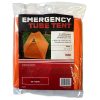 2-Person Tube Tent with Cord
Original price was: $6.99.$4.99Current price is: $4.99.
2-Person Tube Tent with Cord
Original price was: $6.99.$4.99Current price is: $4.99. -
 2-Piece Plastic Raptor Whistle with Key Chain & Zipper Ring (115 dB)
Original price was: $3.00.$2.40Current price is: $2.40.
2-Piece Plastic Raptor Whistle with Key Chain & Zipper Ring (115 dB)
Original price was: $3.00.$2.40Current price is: $2.40. -
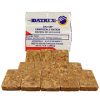 Emergency Food-Bar - 2400 Calories
Original price was: $5.65.$5.00Current price is: $5.00.
Emergency Food-Bar - 2400 Calories
Original price was: $5.65.$5.00Current price is: $5.00. -
 3 Function Hatchet
Original price was: $17.99.$8.99Current price is: $8.99.
3 Function Hatchet
Original price was: $17.99.$8.99Current price is: $8.99. -
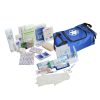 80 Piece First Responder Kit / Jump Bag - Blue
Original price was: $81.99.$49.99Current price is: $49.99.
80 Piece First Responder Kit / Jump Bag - Blue
Original price was: $81.99.$49.99Current price is: $49.99.
