
In the survival and prepping community, being proactive means taking deliberate action before a crisis happens, rather than reacting once things go sideways. It’s the mindset of anticipating problems, food shortages, power outages, natural disasters, economic disruption, and preparing for them while conditions are calm. Proactive preppers don’t assume “someone will help”; they assume responsibility for their own safety and resilience. The core idea is simple: the earlier you prepare, the more options and control you have.
Practically speaking, proactivity shows up in planning and logistics. This includes storing food and water, building first-aid skills, learning self-reliance skills like gardening or basic repairs, and understanding local risks. A proactive prepper doesn’t just buy gear, they test it, rotate supplies, and refine plans. They ask “What if?” questions ahead of time and then quietly close those gaps, often in small, sustainable steps instead of dramatic one-time purchases.
Proactivity also means investing in skills, not just stuff. Knowing how to purify water, treat injuries, navigate without GPS, or stay calm under pressure can matter more than having the latest tool. Many in the community stress training, drills, and mental preparedness because gear can fail, be lost, or be inaccessible. Being proactive here means building competence and confidence long before stress or danger enters the picture.
Another key aspect is adaptability. Proactive preppers recognize that no plan survives contact with reality, so they build flexibility into their preparations. They stay informed, reassess risks as circumstances change, and update plans accordingly. This might involve adjusting for new climate patterns, local infrastructure changes, or shifts in personal circumstances like family size or health. Proactivity isn’t static, it’s an ongoing process.
Finally, being proactive often carries an ethical or communal dimension. Many preppers believe that preparing in advance reduces panic, dependence, and harm, not just for themselves, but for others too. By being ready, they’re less likely to strain emergency services or make desperate choices that endanger people around them. In that sense, proactivity isn’t about fear; it’s about foresight, responsibility, and staying one step ahead of uncertainty.
-
 1 Day Quick Grab Kit in Resealable Bag
Original price was: $13.99.$10.99Current price is: $10.99.
1 Day Quick Grab Kit in Resealable Bag
Original price was: $13.99.$10.99Current price is: $10.99. -
 1 Person Necessity Survival Kit, Rolling Bag
Original price was: $70.99.$60.99Current price is: $60.99.
1 Person Necessity Survival Kit, Rolling Bag
Original price was: $70.99.$60.99Current price is: $60.99. -
 1 Person Necessity Survival Kit, Dry Bag
Original price was: $56.99.$48.99Current price is: $48.99.
1 Person Necessity Survival Kit, Dry Bag
Original price was: $56.99.$48.99Current price is: $48.99. -
 1 Person Comfort Survival Kit, Backpack
Original price was: $103.99.$89.99Current price is: $89.99.
1 Person Comfort Survival Kit, Backpack
Original price was: $103.99.$89.99Current price is: $89.99. -
 1 Person Comfort Survival Kit, Bucket and Lid
Original price was: $104.99.$89.99Current price is: $89.99.
1 Person Comfort Survival Kit, Bucket and Lid
Original price was: $104.99.$89.99Current price is: $89.99. -
 1 Person Essential Survival Kit, Rolling Bag
Original price was: $90.99.$77.99Current price is: $77.99.
1 Person Essential Survival Kit, Rolling Bag
Original price was: $90.99.$77.99Current price is: $77.99. -
 1 Person Essential Survival Kit, Dry Bag
Original price was: $76.99.$65.99Current price is: $65.99.
1 Person Essential Survival Kit, Dry Bag
Original price was: $76.99.$65.99Current price is: $65.99. -
 1 Person Comfort Survival Kit, Rolling Bag
Original price was: $116.99.$100.99Current price is: $100.99.
1 Person Comfort Survival Kit, Rolling Bag
Original price was: $116.99.$100.99Current price is: $100.99. -
 1 Person Comfort Survival Kit, Rolling Bag, Camo
Original price was: $116.99.$100.99Current price is: $100.99.
1 Person Comfort Survival Kit, Rolling Bag, Camo
Original price was: $116.99.$100.99Current price is: $100.99. -
 1 Person Comfort Survival Kit, Dry Bag
Original price was: $102.99.$87.99Current price is: $87.99.
1 Person Comfort Survival Kit, Dry Bag
Original price was: $102.99.$87.99Current price is: $87.99. -
 1 Person Essential Survival Kit, Backpack
Original price was: $77.99.$66.99Current price is: $66.99.
1 Person Essential Survival Kit, Backpack
Original price was: $77.99.$66.99Current price is: $66.99. -
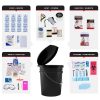 1 Person Essential Survival Kit, Bucket and Lid
Original price was: $77.99.$66.99Current price is: $66.99.
1 Person Essential Survival Kit, Bucket and Lid
Original price was: $77.99.$66.99Current price is: $66.99. -
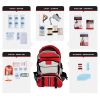 1 Person Necessity Survival Kit, Backpack
Original price was: $57.99.$49.99Current price is: $49.99.
1 Person Necessity Survival Kit, Backpack
Original price was: $57.99.$49.99Current price is: $49.99. -
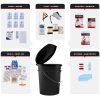 1 Person Necessity Survival Kit, Bucket and Lid
Original price was: $58.99.$49.99Current price is: $49.99.
1 Person Necessity Survival Kit, Bucket and Lid
Original price was: $58.99.$49.99Current price is: $49.99. -
 10 Person, 116 Piece Bulk Workplace First Aid Kit
Original price was: $29.95.$17.53Current price is: $17.53.
10 Person, 116 Piece Bulk Workplace First Aid Kit
Original price was: $29.95.$17.53Current price is: $17.53. -
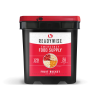 120 Serving Freeze Dried Fruit Bucket
Original price was: $179.99.$169.99Current price is: $169.99.
120 Serving Freeze Dried Fruit Bucket
Original price was: $179.99.$169.99Current price is: $169.99. -
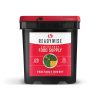 120 Serving Freeze Dried Vegetable Bucket
Original price was: $169.99.$159.99Current price is: $159.99.
120 Serving Freeze Dried Vegetable Bucket
Original price was: $169.99.$159.99Current price is: $159.99. -
 147 Piece First Responder Kit (On Call Kit) - Blue
Original price was: $110.99.$69.99Current price is: $69.99.
147 Piece First Responder Kit (On Call Kit) - Blue
Original price was: $110.99.$69.99Current price is: $69.99. -
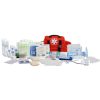 147 Piece First Responder Kit (On Call Kit) - Orange
Original price was: $110.99.$69.99Current price is: $69.99.
147 Piece First Responder Kit (On Call Kit) - Orange
Original price was: $110.99.$69.99Current price is: $69.99. -
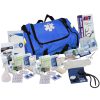 151 Piece First Responder Kit - Blue
Original price was: $240.99.$149.99Current price is: $149.99.
151 Piece First Responder Kit - Blue
Original price was: $240.99.$149.99Current price is: $149.99. -
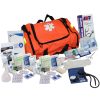 151 Piece First Responder Kit - Orange
Original price was: $240.99.$149.99Current price is: $149.99.
151 Piece First Responder Kit - Orange
Original price was: $240.99.$149.99Current price is: $149.99. -
 2 Day Quick Grab Kit in Resealable Bag
Original price was: $14.99.$11.99Current price is: $11.99.
2 Day Quick Grab Kit in Resealable Bag
Original price was: $14.99.$11.99Current price is: $11.99. -
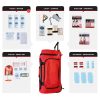 2 Person Necessity Survival Kit, Rolling Bag
Original price was: $101.99.$86.99Current price is: $86.99.
2 Person Necessity Survival Kit, Rolling Bag
Original price was: $101.99.$86.99Current price is: $86.99. -
 2 Person Necessity Survival Kit, Drybag
Original price was: $75.99.$64.99Current price is: $64.99.
2 Person Necessity Survival Kit, Drybag
Original price was: $75.99.$64.99Current price is: $64.99.